
BLOG
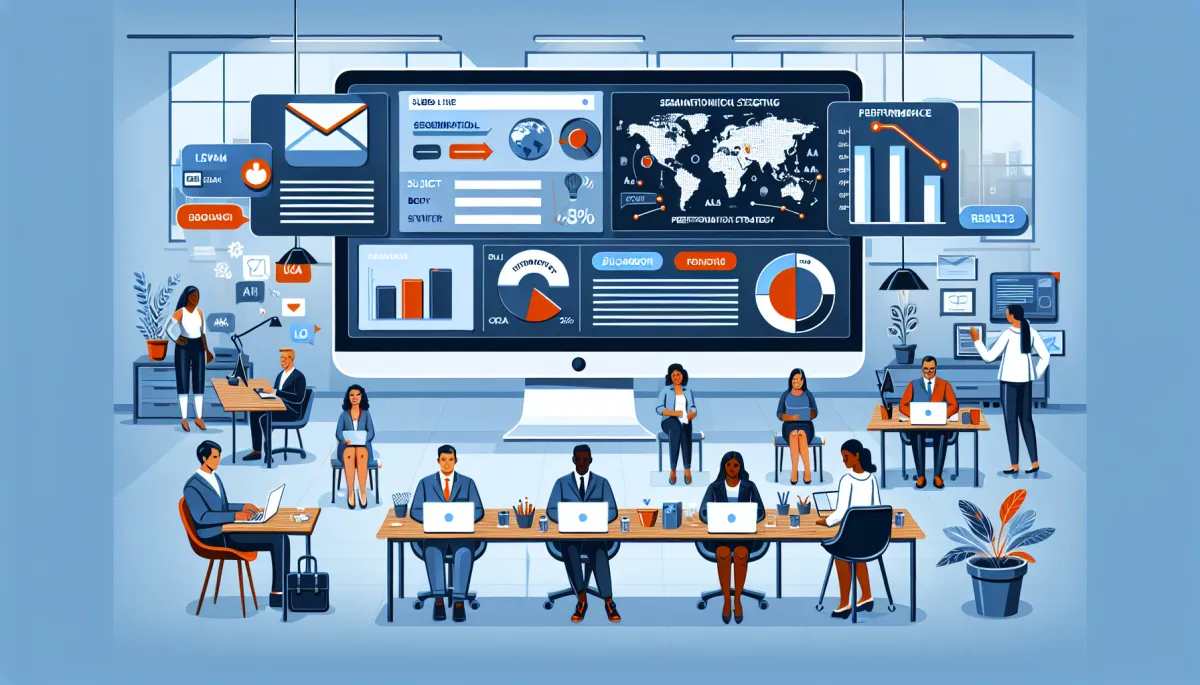
From Subject Lines To Segmentation - Email Marketing Tips To Drive Results
This comprehensive guide dives into essential email marketing strategies to enhance your campaigns and drive better results. From crafting captivating subject lines that boost open rates to implementing effective audience segmentation techniques for higher engagement, this post covers everything you need to know to succeed in the competitive world of email marketing. Whether you're a seasoned marketer looking to fine-tune your approach or a beginner eager to learn the ropes, these tips will help you elevate your email game and achieve impressive results.
Key Takeaways:
Subject lines: Crafting engaging and personalized subject lines can significantly impact email open rates.
Segmentation: Segmenting your email list based on demographics, behavior, or preferences can improve click-through rates and customer engagement.
Analytics: Regularly analyzing email marketing performance metrics can provide insights to optimize future campaigns and drive better results.
Crafting Compelling Subject Lines
If you want your email marketing campaigns to drive results, crafting compelling subject lines is essential. Your subject line is the first impression you make on your audience, so it needs to be attention-grabbing and relevant to entice them to open your email. In this chapter, we will explore strategies to help you create subject lines that engage and compel your audience to take action.
Understanding Your Audience
On the journey to crafting compelling subject lines, understanding your audience is key. Take the time to analyze your subscriber list and segment your audience based on their preferences, behaviors, and demographics. By knowing who your audience is and what they are interested in, you can tailor your subject lines to resonate with them on a personal level.
On top of demographics, consider factors like the buying stage of your subscribers and their engagement history with your emails. For example, a loyal customer might respond better to subject lines offering exclusive deals, while a new subscriber might be more intrigued by a welcome discount. By segmenting your audience and understanding their preferences, you can create subject lines that speak directly to their needs and interests.
Tips for Writing Engaging Subject Lines
Personalization: Use your subscriber's first name or location to make the email feel more personalized and relevant.
Emojis: Incorporate emojis strategically to add visual appeal and convey emotions in your subject lines.
Urgency: Create a sense of urgency by using time-sensitive language or limited-time offers to prompt immediate action.
Lines that evoke curiosity or pose a question can also be effective in piquing your audience's interest. Embrace creativity and experimentation to find what resonates best with your subscribers. Do not forget, the subject line is your first opportunity to make an impact, so make it count.
Thou shall avoid using all caps or excessive punctuation, as this can come across as spammy and turn off your audience.
The success of your email marketing campaigns heavily relies on the effectiveness of your subject lines. By understanding your audience and incorporating engaging elements into your subject lines, you can increase open rates, click-through rates, and ultimately drive more conversions. Do not forget, a well-crafted subject line can make all the difference in capturing your audience's attention and motivating them to engage with your email content.
Mastering Email Content
Even with all the advanced targeting and segmentation techniques available, the success of an email marketing campaign ultimately hinges on the quality of the content delivered to your audience. Mastering email content is essential to drive engagement and conversions. In this chapter, we will explore how to create valuable and relevant content, as well as design and layout principles for better engagement.
Creating Valuable and Relevant Content
Content is king in the world of email marketing. To capture the attention of your subscribers and keep them engaged, it is crucial to provide valuable and relevant content that resonates with their needs and interests. Start by understanding your audience and segmenting them based on their preferences and behavior. Tailor your content to meet their specific needs, whether it's educational resources, promotional offers, or engaging storytelling.
Personalization is key when creating email content. Use dynamic content and personalized recommendations to make each email feel unique to the recipient. Leverage user data and behavior to deliver content that is timely and targeted. By providing value with every email, you not only build trust with your subscribers but also increase the likelihood of driving conversions.
Design and Layout Principles for Better Engagement
Layout
To maximize the impact of your email content, it is essential to pay attention to design and layout principles that enhance engagement. Start by optimizing your emails for mobile devices, as the majority of users now access emails on their smartphones. Use responsive design techniques to ensure that your emails render correctly on all screen sizes. Keep your layout clean and uncluttered, making it easy for readers to scan and digest the content.
To further improve engagement, strategically place your calls to action and ensure they stand out visually. Use contrasting colors, compelling copy, and clear buttons to guide readers towards the desired action. Incorporate eye-catching visuals and multimedia content to break up text-heavy emails and make them more visually appealing. By following design and layout best practices, you can create emails that not only capture attention but also drive results.
Segmentation and Personalization Strategies
For effective email marketing campaigns, segmentation and personalization are key strategies to drive results. By dividing your audience into specific segments and personalizing the content you send to them, you can increase engagement, click-through rates, and ultimately, conversions.
The Basics of Segmentation
Segmentation is the process of dividing your email list into smaller, targeted groups based on specific criteria such as demographics, behavior, or interests. By segmenting your audience, you can create more relevant and tailored content that resonates with each group. This can lead to higher open rates and increased customer loyalty.
Segmentation can be done based on a variety of factors including purchase history, geographic location, engagement levels, or even browsing behavior on your website. By understanding the different segments of your audience, you can create more personalized and targeted campaigns that are more likely to drive results.
Personalization Techniques for Greater Impact
The key to effective personalization lies in understanding your audience at a deeper level. By leveraging data such as past purchase behavior, browsing history, or even demographic information, you can create highly targeted and personalized campaigns that speak directly to the individual recipient. Personalization can go beyond simply using the recipient's name in the email - it's about delivering content that is relevant and valuable to them.
Any successful email marketing campaign incorporates a mix of segmentation and personalization strategies to create a more engaging and tailored experience for the audience. By understanding your audience's preferences and behaviors, you can deliver content that resonates with them on a personal level, leading to higher open rates, click-through rates, and ultimately, conversions.
Advanced Email Marketing Techniques
Unlike basic email marketing strategies, advanced techniques focus on optimizing campaign performance and integrating email with other marketing channels to drive better results. Let's explore some advanced tactics to take your email marketing efforts to the next level.
A/B Testing to Optimize Campaign Performance
Techniques Description A/B Testing Split testing different email elements to analyze what resonates best with your audience Subject Line Testing Experimenting with various subject lines to improve open rates Call-to-Action Optimization Testing different CTAs to determine the most effective ones for driving conversions
A/B Testing to Optimize Campaign Performance
Techniques such as A/B testing can help you refine your email marketing campaigns by analyzing the performance of different elements. By testing variations of subject lines, CTAs, visuals, and content, you can gather valuable insights into what resonates best with your audience. This data-driven approach allows you to make informed decisions and continuously improve the effectiveness of your email campaigns.
Integrating Email with Other Marketing Channels
Campaign integration involves aligning your email marketing efforts with other channels such as social media, content marketing, and advertising to create a cohesive and synchronized customer experience. By coordinating messaging and strategies across multiple touchpoints, you can strengthen brand visibility, increase engagement, and drive conversions. This holistic approach allows you to leverage the strengths of each channel and create a unified marketing strategy.
Email marketing plays a crucial role in omnichannel marketing strategies, serving as a direct communication channel with your audience. By integrating email with other marketing channels, you can amplify the reach and impact of your campaigns. This interconnected approach enables you to deliver consistent and personalized messaging to customers, fostering stronger relationships and driving better results across all channels.
Analytics and Measurement
Despite the ever-evolving landscape of digital marketing, email remains a powerful tool for businesses to connect with their audience. One of the key advantages of email marketing is the ability to measure and analyze performance metrics to track success and optimize future campaigns.
Key Metrics to Track Email Marketing Success
Email marketing success can be measured through a variety of key metrics. Open rates, click-through rates, conversion rates, and unsubscribe rates are all essential indicators of how well your emails are resonating with your audience. By tracking these metrics regularly, you can gain valuable insights into the effectiveness of your campaigns and make data-driven decisions to improve performance.
Furthermore, analyzing metrics such as engagement by device, time of day, and segment performance can provide deeper insights into your audience's preferences and behaviors. This information can help you tailor your content, design, and targeting strategies to better meet the needs and expectations of your subscribers, ultimately driving better results.
Leveraging Insights to Improve Future Campaigns
Insights gained from analyzing email marketing metrics can be invaluable in optimizing future campaigns for better results. By leveraging these insights, you can identify trends, patterns, and opportunities to refine your email strategy and enhance the overall effectiveness of your campaigns.
Leveraging data-driven insights allows you to make informed decisions about content personalization, segmentation, A/B testing, and send timing. By continuously analyzing and optimizing your email campaigns based on metrics and insights, you can create more targeted, relevant, and engaging content that resonates with your audience and drives higher conversion rates.
Conclusion
Considering all points discussed, it is evident that subject lines and segmentation are crucial elements in email marketing that can significantly impact the success of your campaigns. Crafting compelling subject lines can grab attention and increase open rates, while segmentation helps in sending relevant content to specific target audiences, leading to higher engagement and conversion rates. By implementing these tips effectively, you can drive better results and maximize the potential of your email marketing efforts.
FAQ
Q: Why is subject line important in email marketing?
A: The subject line is the first thing your audience sees and influences whether they open the email. A compelling subject line can increase open rates, while a lackluster one can lead to your email being ignored or even marked as spam.
Q: How can segmentation improve email marketing results?
A: Segmentation involves dividing your email list into smaller, targeted groups based on specific criteria such as demographics, behavior, or preferences. By sending more personalized and relevant content to each segment, you can increase engagement, conversion rates, and overall effectiveness of your email campaigns.
Q: What are some tips for effective email marketing segmentation?
A: To improve segmentation in your email marketing strategy, consider factors like past purchase behavior, engagement with previous emails, geographic location, or even personal interests. Use automation tools to streamline the process and regularly analyze the results to fine-tune your segmentation strategy for better outcomes.

From Subject Lines To Segmentation - Email Marketing Tips To Drive Results
This comprehensive guide dives into essential email marketing strategies to enhance your campaigns and drive better results. From crafting captivating subject lines that boost open rates to implementing effective audience segmentation techniques for higher engagement, this post covers everything you need to know to succeed in the competitive world of email marketing. Whether you're a seasoned marketer looking to fine-tune your approach or a beginner eager to learn the ropes, these tips will help you elevate your email game and achieve impressive results.
Key Takeaways:
Subject lines: Crafting engaging and personalized subject lines can significantly impact email open rates.
Segmentation: Segmenting your email list based on demographics, behavior, or preferences can improve click-through rates and customer engagement.
Analytics: Regularly analyzing email marketing performance metrics can provide insights to optimize future campaigns and drive better results.
Crafting Compelling Subject Lines
If you want your email marketing campaigns to drive results, crafting compelling subject lines is essential. Your subject line is the first impression you make on your audience, so it needs to be attention-grabbing and relevant to entice them to open your email. In this chapter, we will explore strategies to help you create subject lines that engage and compel your audience to take action.
Understanding Your Audience
On the journey to crafting compelling subject lines, understanding your audience is key. Take the time to analyze your subscriber list and segment your audience based on their preferences, behaviors, and demographics. By knowing who your audience is and what they are interested in, you can tailor your subject lines to resonate with them on a personal level.
On top of demographics, consider factors like the buying stage of your subscribers and their engagement history with your emails. For example, a loyal customer might respond better to subject lines offering exclusive deals, while a new subscriber might be more intrigued by a welcome discount. By segmenting your audience and understanding their preferences, you can create subject lines that speak directly to their needs and interests.
Tips for Writing Engaging Subject Lines
Personalization: Use your subscriber's first name or location to make the email feel more personalized and relevant.
Emojis: Incorporate emojis strategically to add visual appeal and convey emotions in your subject lines.
Urgency: Create a sense of urgency by using time-sensitive language or limited-time offers to prompt immediate action.
Lines that evoke curiosity or pose a question can also be effective in piquing your audience's interest. Embrace creativity and experimentation to find what resonates best with your subscribers. Do not forget, the subject line is your first opportunity to make an impact, so make it count.
Thou shall avoid using all caps or excessive punctuation, as this can come across as spammy and turn off your audience.
The success of your email marketing campaigns heavily relies on the effectiveness of your subject lines. By understanding your audience and incorporating engaging elements into your subject lines, you can increase open rates, click-through rates, and ultimately drive more conversions. Do not forget, a well-crafted subject line can make all the difference in capturing your audience's attention and motivating them to engage with your email content.
Mastering Email Content
Even with all the advanced targeting and segmentation techniques available, the success of an email marketing campaign ultimately hinges on the quality of the content delivered to your audience. Mastering email content is essential to drive engagement and conversions. In this chapter, we will explore how to create valuable and relevant content, as well as design and layout principles for better engagement.
Creating Valuable and Relevant Content
Content is king in the world of email marketing. To capture the attention of your subscribers and keep them engaged, it is crucial to provide valuable and relevant content that resonates with their needs and interests. Start by understanding your audience and segmenting them based on their preferences and behavior. Tailor your content to meet their specific needs, whether it's educational resources, promotional offers, or engaging storytelling.
Personalization is key when creating email content. Use dynamic content and personalized recommendations to make each email feel unique to the recipient. Leverage user data and behavior to deliver content that is timely and targeted. By providing value with every email, you not only build trust with your subscribers but also increase the likelihood of driving conversions.
Design and Layout Principles for Better Engagement
Layout
To maximize the impact of your email content, it is essential to pay attention to design and layout principles that enhance engagement. Start by optimizing your emails for mobile devices, as the majority of users now access emails on their smartphones. Use responsive design techniques to ensure that your emails render correctly on all screen sizes. Keep your layout clean and uncluttered, making it easy for readers to scan and digest the content.
To further improve engagement, strategically place your calls to action and ensure they stand out visually. Use contrasting colors, compelling copy, and clear buttons to guide readers towards the desired action. Incorporate eye-catching visuals and multimedia content to break up text-heavy emails and make them more visually appealing. By following design and layout best practices, you can create emails that not only capture attention but also drive results.
Segmentation and Personalization Strategies
For effective email marketing campaigns, segmentation and personalization are key strategies to drive results. By dividing your audience into specific segments and personalizing the content you send to them, you can increase engagement, click-through rates, and ultimately, conversions.
The Basics of Segmentation
Segmentation is the process of dividing your email list into smaller, targeted groups based on specific criteria such as demographics, behavior, or interests. By segmenting your audience, you can create more relevant and tailored content that resonates with each group. This can lead to higher open rates and increased customer loyalty.
Segmentation can be done based on a variety of factors including purchase history, geographic location, engagement levels, or even browsing behavior on your website. By understanding the different segments of your audience, you can create more personalized and targeted campaigns that are more likely to drive results.
Personalization Techniques for Greater Impact
The key to effective personalization lies in understanding your audience at a deeper level. By leveraging data such as past purchase behavior, browsing history, or even demographic information, you can create highly targeted and personalized campaigns that speak directly to the individual recipient. Personalization can go beyond simply using the recipient's name in the email - it's about delivering content that is relevant and valuable to them.
Any successful email marketing campaign incorporates a mix of segmentation and personalization strategies to create a more engaging and tailored experience for the audience. By understanding your audience's preferences and behaviors, you can deliver content that resonates with them on a personal level, leading to higher open rates, click-through rates, and ultimately, conversions.
Advanced Email Marketing Techniques
Unlike basic email marketing strategies, advanced techniques focus on optimizing campaign performance and integrating email with other marketing channels to drive better results. Let's explore some advanced tactics to take your email marketing efforts to the next level.
A/B Testing to Optimize Campaign Performance
Techniques Description A/B Testing Split testing different email elements to analyze what resonates best with your audience Subject Line Testing Experimenting with various subject lines to improve open rates Call-to-Action Optimization Testing different CTAs to determine the most effective ones for driving conversions
A/B Testing to Optimize Campaign Performance
Techniques such as A/B testing can help you refine your email marketing campaigns by analyzing the performance of different elements. By testing variations of subject lines, CTAs, visuals, and content, you can gather valuable insights into what resonates best with your audience. This data-driven approach allows you to make informed decisions and continuously improve the effectiveness of your email campaigns.
Integrating Email with Other Marketing Channels
Campaign integration involves aligning your email marketing efforts with other channels such as social media, content marketing, and advertising to create a cohesive and synchronized customer experience. By coordinating messaging and strategies across multiple touchpoints, you can strengthen brand visibility, increase engagement, and drive conversions. This holistic approach allows you to leverage the strengths of each channel and create a unified marketing strategy.
Email marketing plays a crucial role in omnichannel marketing strategies, serving as a direct communication channel with your audience. By integrating email with other marketing channels, you can amplify the reach and impact of your campaigns. This interconnected approach enables you to deliver consistent and personalized messaging to customers, fostering stronger relationships and driving better results across all channels.
Analytics and Measurement
Despite the ever-evolving landscape of digital marketing, email remains a powerful tool for businesses to connect with their audience. One of the key advantages of email marketing is the ability to measure and analyze performance metrics to track success and optimize future campaigns.
Key Metrics to Track Email Marketing Success
Email marketing success can be measured through a variety of key metrics. Open rates, click-through rates, conversion rates, and unsubscribe rates are all essential indicators of how well your emails are resonating with your audience. By tracking these metrics regularly, you can gain valuable insights into the effectiveness of your campaigns and make data-driven decisions to improve performance.
Furthermore, analyzing metrics such as engagement by device, time of day, and segment performance can provide deeper insights into your audience's preferences and behaviors. This information can help you tailor your content, design, and targeting strategies to better meet the needs and expectations of your subscribers, ultimately driving better results.
Leveraging Insights to Improve Future Campaigns
Insights gained from analyzing email marketing metrics can be invaluable in optimizing future campaigns for better results. By leveraging these insights, you can identify trends, patterns, and opportunities to refine your email strategy and enhance the overall effectiveness of your campaigns.
Leveraging data-driven insights allows you to make informed decisions about content personalization, segmentation, A/B testing, and send timing. By continuously analyzing and optimizing your email campaigns based on metrics and insights, you can create more targeted, relevant, and engaging content that resonates with your audience and drives higher conversion rates.
Conclusion
Considering all points discussed, it is evident that subject lines and segmentation are crucial elements in email marketing that can significantly impact the success of your campaigns. Crafting compelling subject lines can grab attention and increase open rates, while segmentation helps in sending relevant content to specific target audiences, leading to higher engagement and conversion rates. By implementing these tips effectively, you can drive better results and maximize the potential of your email marketing efforts.
FAQ
Q: Why is subject line important in email marketing?
A: The subject line is the first thing your audience sees and influences whether they open the email. A compelling subject line can increase open rates, while a lackluster one can lead to your email being ignored or even marked as spam.
Q: How can segmentation improve email marketing results?
A: Segmentation involves dividing your email list into smaller, targeted groups based on specific criteria such as demographics, behavior, or preferences. By sending more personalized and relevant content to each segment, you can increase engagement, conversion rates, and overall effectiveness of your email campaigns.
Q: What are some tips for effective email marketing segmentation?
A: To improve segmentation in your email marketing strategy, consider factors like past purchase behavior, engagement with previous emails, geographic location, or even personal interests. Use automation tools to streamline the process and regularly analyze the results to fine-tune your segmentation strategy for better outcomes.
Join Our Newsletter
© Copyright 2022 Carlos Vargas. All Rights Reserved